share:


Sep 23, 2026
As competition in manufacturing extends beyond the factory floor to encompass the entire value chain, one question is becoming increasingly important: how can industrial infrastructure keep pace with the next evolution of manufacturing?
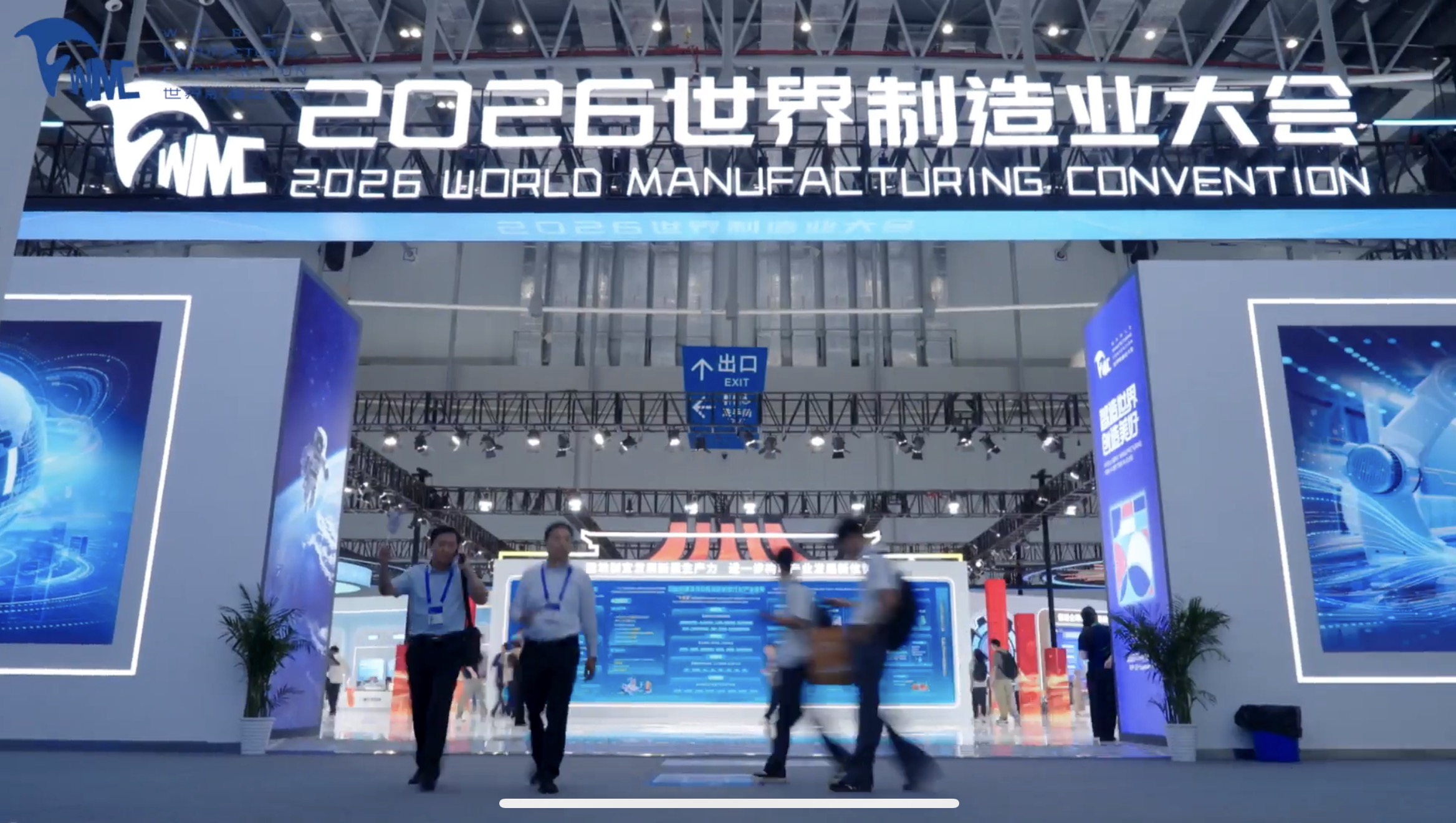
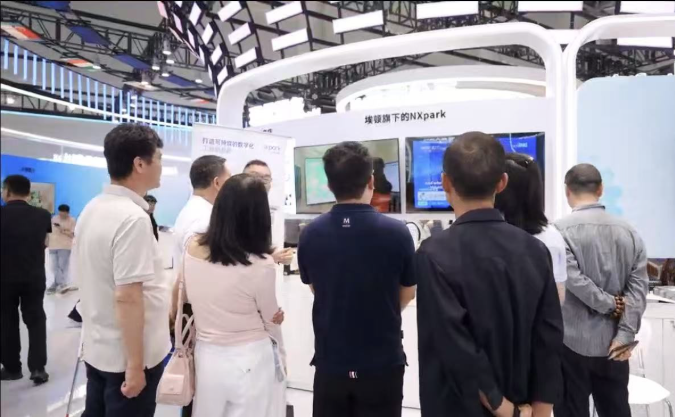
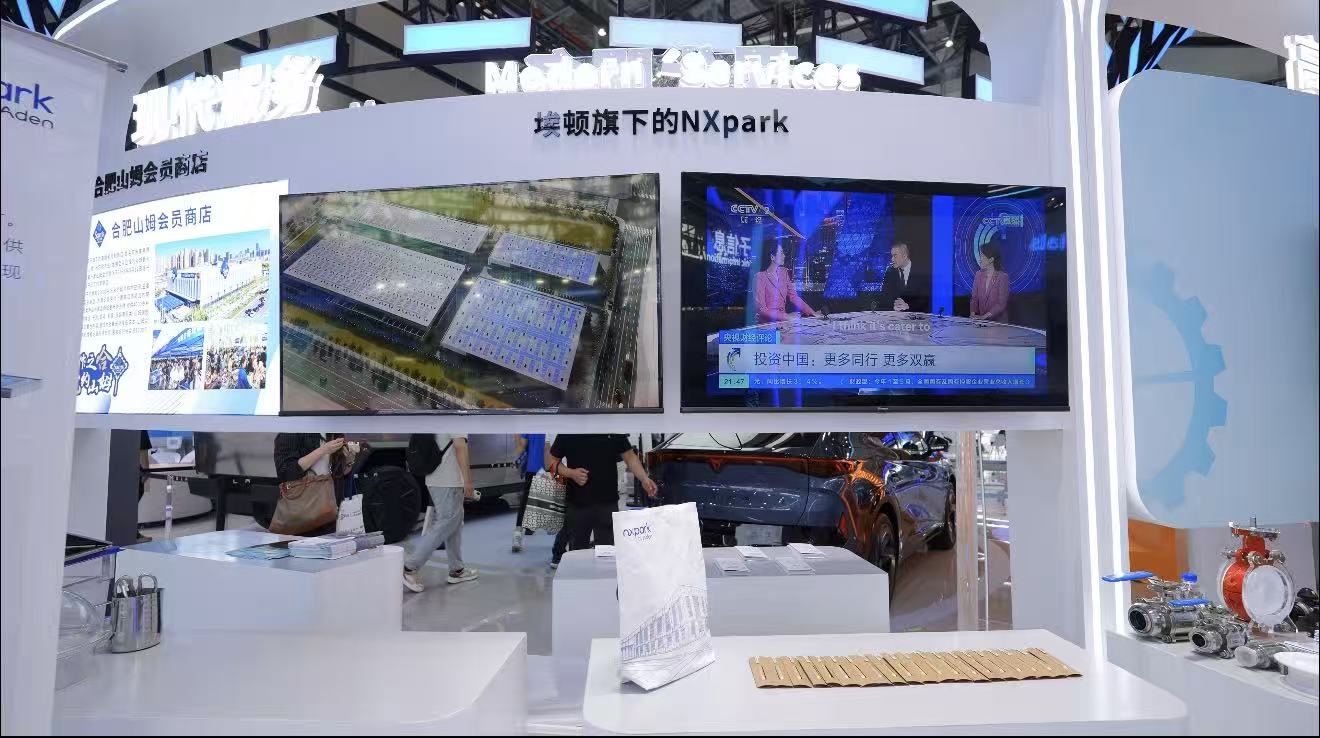
Held in Hefei from September 20-23, the 2026 World Manufacturing Convention brought together leaders from advanced manufacturing, new energy vehicles, electronics, information technology, high-end equipment, and other key industries. As the industrial infrastructure platform of France-based Aden Group, NXpark made its debut at the event, showcasing solutions designed to support the next generation of industrial growth.
A New Challenge for Manufacturing: Can Industrial Infrastructure Keep Pace?
This year’s convention, themed “Intelligent Manufacturing for the World, Creating a Better Future,” highlighted several of the forces reshaping industrial development, including intelligent transformation, low-carbon transition, and the emergence of new productive capabilities.
From artificial intelligence and robotics to smart factories, green supply chains, and net-zero industrial parks, one message was clear: the competitive landscape of manufacturing is changing.
For manufacturers, success increasingly depends on more than production excellence alone. Site selection, speed to market, operational efficiency, energy performance, and long-term sustainability have all become strategic priorities.
As a result, expectations for industrial facilities are evolving. Manufacturers are no longer looking simply for production space. They need industrial environments that can support rapid project deployment, efficient operations, sustainable growth, and continuous transformation.
Against this backdrop, industrial infrastructure is evolving from a supporting function into a strategic enabler of industrial development, becoming an increasingly important foundation for advanced manufacturing growth.
NXpark’s Approach: Beyond Industrial Parks
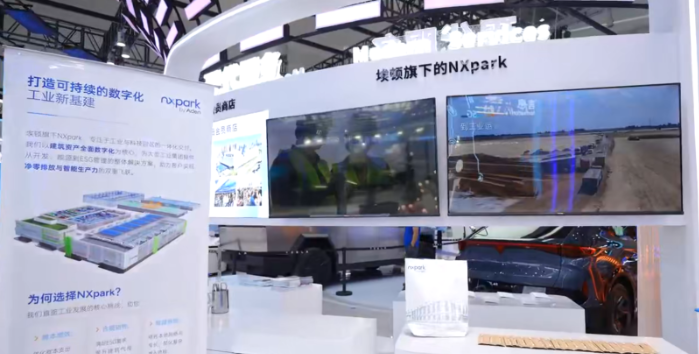
At the convention, NXpark shared its experience across four key areas: industrial park development and investment, operations and facility management, green energy solutions, and digital operations. Backed by the broader Aden Group ecosystem, NXpark also integrates the capabilities of Aden Energies, combining industrial infrastructure with energy investment, energy-efficiency optimization, and decarbonization services to support manufacturers throughout the full lifecycle of their facilities.
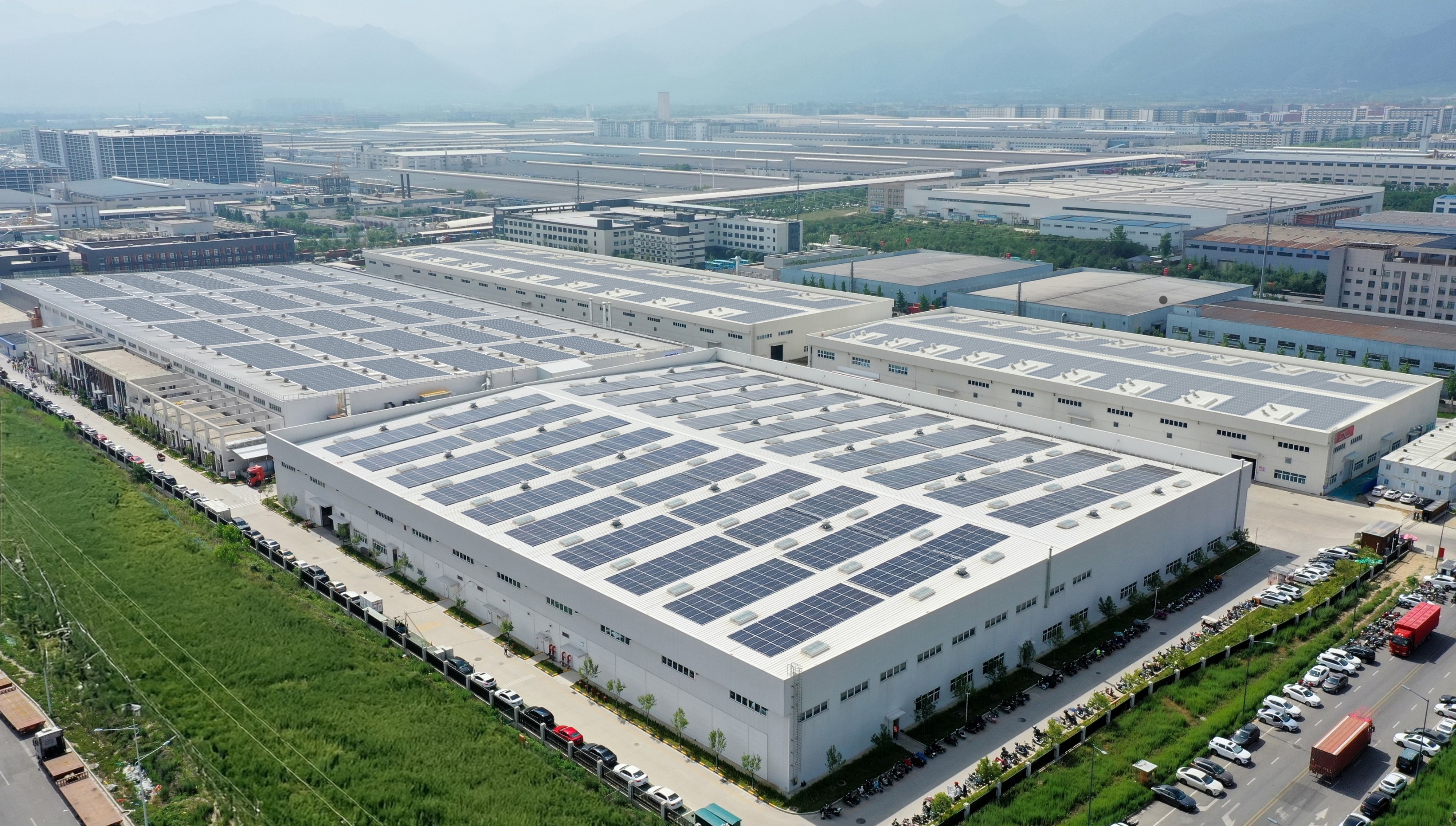
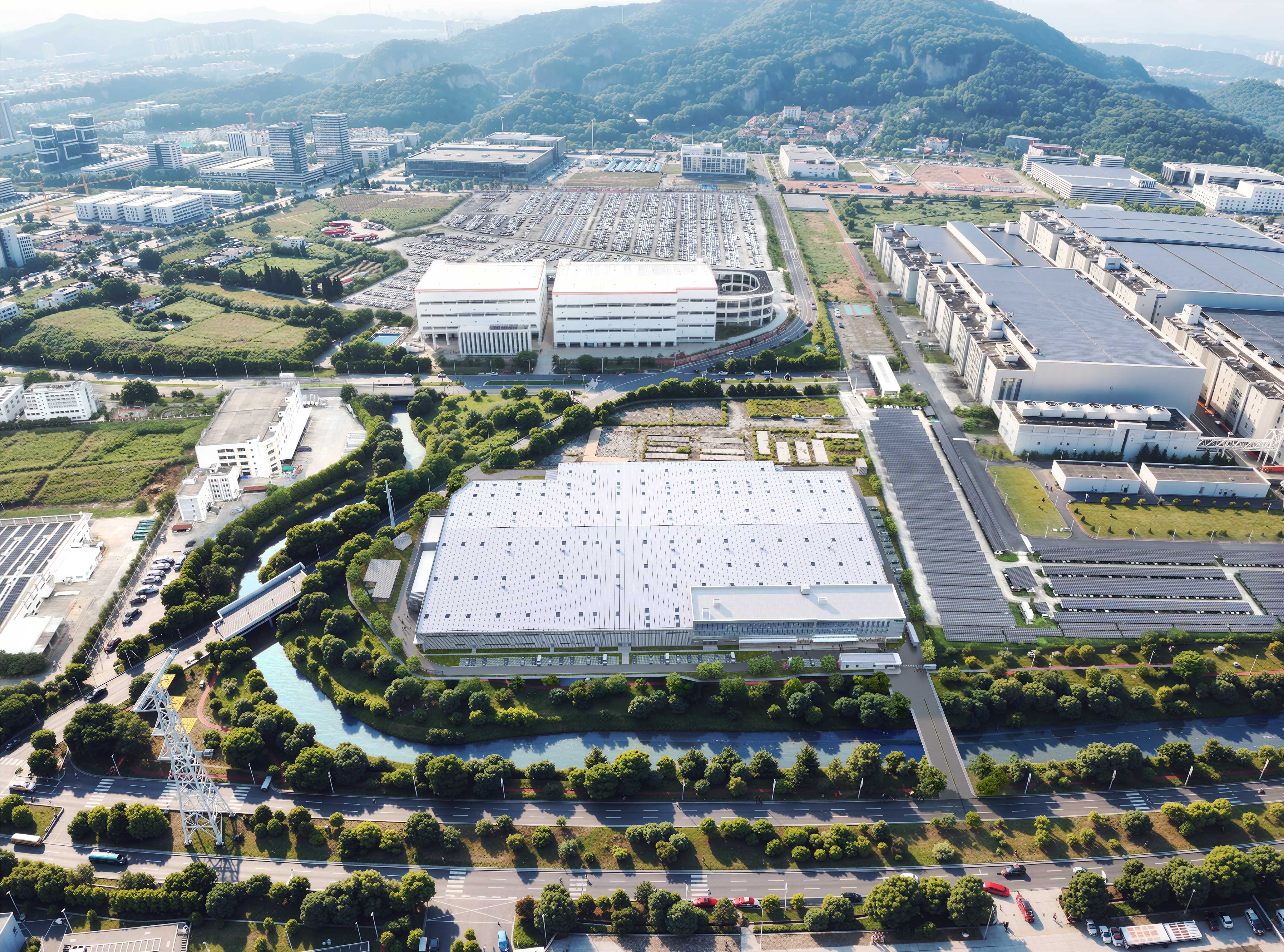
Several flagship projects attracted significant interest, including the Schneider Electric Wuxi Green Smart Industrial Park, the Xi’an High-End Auto Parts Industrial Base, home to leading automotive suppliers including Faurecia, the Suzhou International Automotive Equipment Industrial Park, the Jining Smart Industrial Park, and the Zhengzhou New Energy Vehicle Smart
Manufacturing Industrial Park.
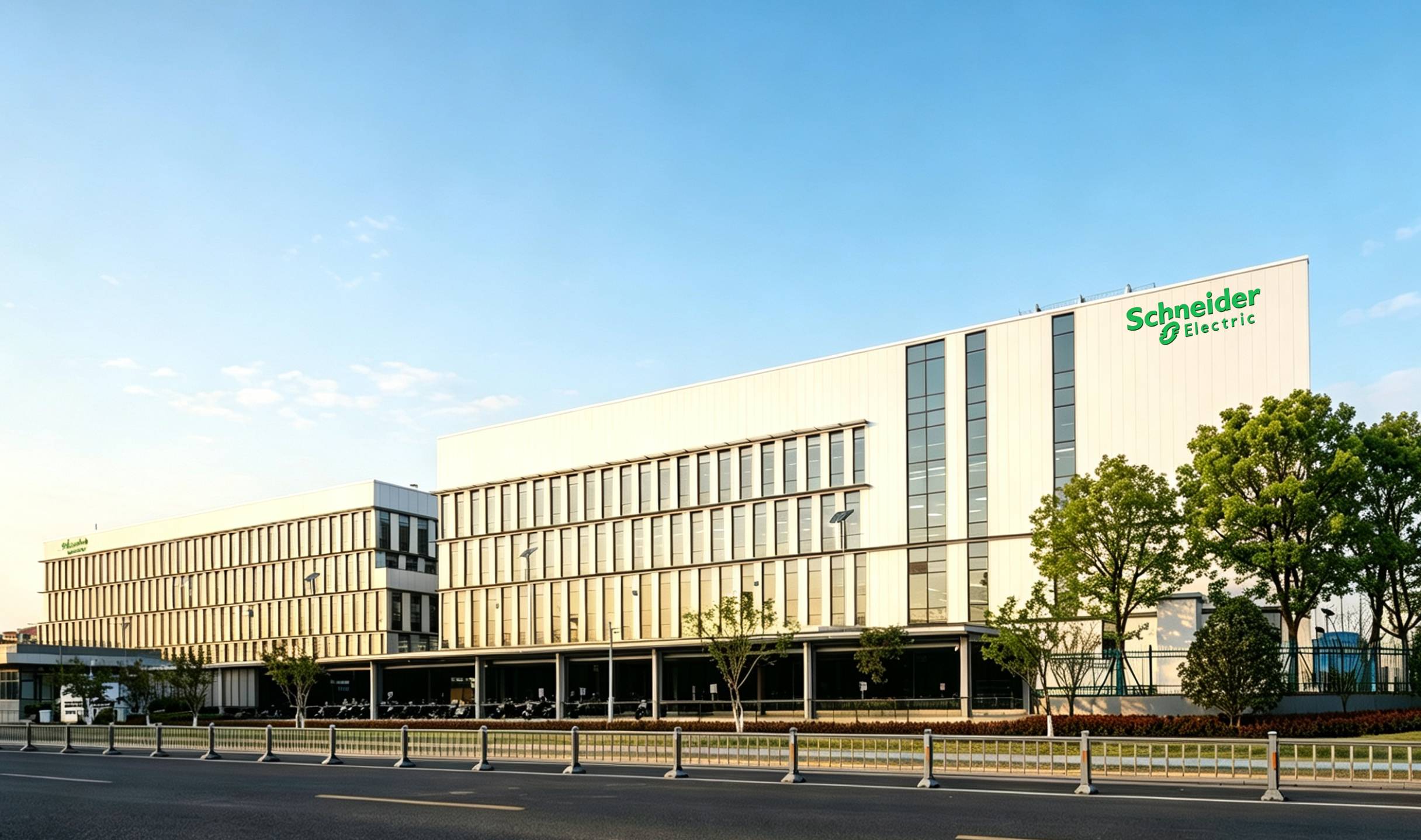
Spanning industries from electric vehicles and automotive components to electrical equipment and electronics manufacturing, these projects demonstrate NXpark’s ability to support clients throughout the full industrial asset lifecycle, from development and project delivery to long-term operations and optimization.
This integrated approach allows manufacturers to focus on innovation, product development, and core production activities, while leveraging specialized expertise in industrial infrastructure, operations, and energy management.
Today, NXpark operates projects across China’s major manufacturing clusters and continues expanding into Southeast Asia, exploring new models that connect industrial infrastructure with long-term industrial growth.
Smart and Low-Carbon:
Defining the Next Generation of Industrial Infrastructure
If industrial parks once focused primarily on answering the question, “Do we have enough space?”, today’s challenge is fundamentally different: “How can industrial infrastructure create greater value?”
As digital technologies become increasingly embedded across manufacturing operations, digital platforms, intelligent maintenance, energy management, and sustainability capabilities are becoming core components of modern industrial parks.
Digital twins, automation technologies, and smart energy systems can enhance operational efficiency, while green building strategies and high-performance energy infrastructure provide practical pathways toward low-carbon and near-zero-carbon industrial development.
At the same time, internationally recognized standards for sustainability, resilience, and risk management are becoming increasingly important considerations for global manufacturers.
In response, NXpark continues to develop integrated solutions that combine digital innovation with decarbonization capabilities, helping industrial facilities evolve from production space into high-performance platforms for long-term growth and value creation.
The Next Chapter of Manufacturing Needs a New Foundation
One message emerged clearly from this year’s World Manufacturing Convention:
The future competitiveness of manufacturing will not be defined solely by products and technology, but also by the industrial infrastructure that supports them.
The industrial facilities of tomorrow must deliver more than physical space. They must enable rapid project deployment, long-term operational excellence, intelligent transformation, and sustainable development.
The next chapter of manufacturing will be shaped not only by what is produced, but also by the infrastructure that makes industrial growth possible.
As a practitioner of Industrial New Infrastructure, NXpark will continue to integrate industrial development, operational excellence, digital innovation, and sustainable solutions, working alongside industry partners to help build the future of advanced manufacturing.